

Waking up with stiff joints or battling chronic pain can wear anyone down. If you’ve been hunting for relief, you’re not alone.
Many people are swapping synthetic pills for natural herbs to fight inflammation, without harsh side effects.
But with so many options out there, it’s fair to ask: what is the strongest herbal anti-inflammatory?
This piece explores the best natural herbs for inflammation.
We’ll break down how they work, how to use them, and which one might be right for you.
Understanding Inflammation and Its Effects
Inflammation is your body’s way of protecting itself.
If you’ve ever had a swollen ankle or a sore throat, that’s inflammation at work.
This short-term response helps fight off injury or infection.
But when it lingers, it becomes a problem.
Chronic inflammation is linked to conditions like arthritis, heart disease, and even depression.
It shows up as constant pain, fatigue, gut issues, or low immunity.
That’s where natural remedies come in to calm the fire without causing more harm.
Benefits of Herbal Remedies for Inflammation

Herbs have been used for centuries to reduce inflammation. Unlike many prescription medications, they often carry fewer long-term risks.
Here’s why many people prefer herbs:
- Natural compounds target inflammation safely.
- Fewer side effects when taken properly.
- Additional health benefits, like boosting immunity and improving digestion.
While science is still catching up to traditional wisdom, many herbs now have research backing their anti-inflammatory powers.
Top Herbal Anti-Inflammatories Overview
Several herbs stand out for their inflammation-fighting abilities.
Each one works differently; some block inflammatory enzymes, others act as antioxidants or immune regulators.
We’ll walk through the most effective ones, then compare their strengths at the end.
Whether you’re dealing with joint pain, gut issues, or muscle soreness, there’s likely a herb that fits your needs.
- Turmeric: The Golden Spice
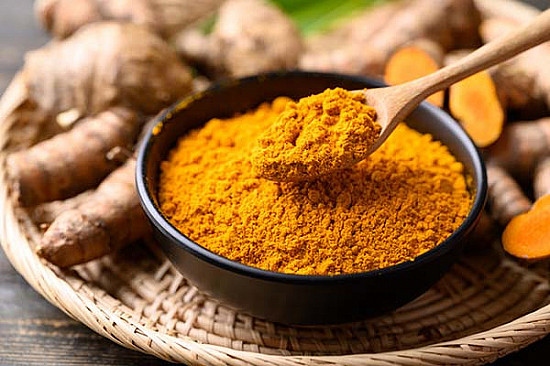
Turmeric has become the poster child for natural inflammation relief. The secret? A compound called curcumin.
Curcumin blocks inflammatory markers like CRP and cytokines.
Studies show it’s especially helpful for joint pain, arthritis, and inflammatory bowel diseases.
But there’s a catch, curcumin is hard for the body to absorb.
That’s why it’s often paired with black pepper extract to boost effectiveness.
How to use it:
- Add turmeric to soups, curries, or smoothies.
- Try “golden milk” with turmeric, black pepper, and warm plant milk.
- Take curcumin supplements with piperine for targeted support.
- Ginger: A Powerful Root
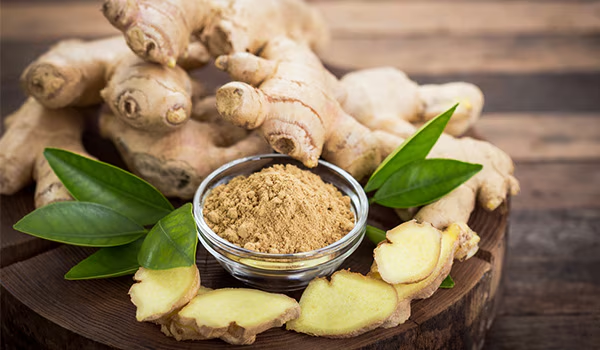
Ginger contains gingerol, a compound that reduces inflammation and pain.
Research suggests it helps with:
- Muscle soreness after exercise
- Osteoarthritis pain
- Menstrual cramps
- Gut inflammation
It’s also gentle on the stomach and easy to add to meals.
How to use it:
- Sip ginger tea daily.
- Add fresh or ground ginger to stir-fries and soups.
- Take ginger capsules for a stronger dose.
- Boswellia: Ancient Resin with Modern Benefits
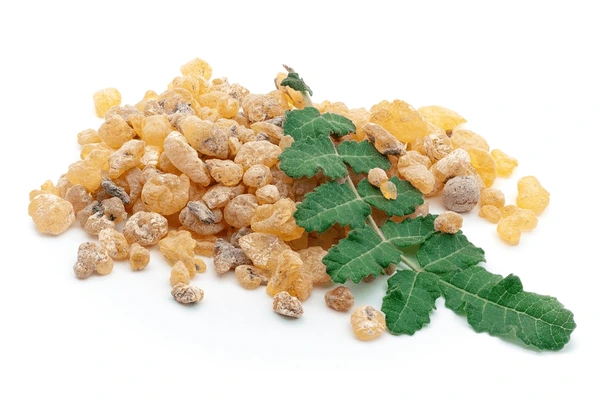
Boswellia, also known as Indian frankincense, comes from tree resin.
Its key compound is boswellic acid and blocks enzymes that trigger swelling.
What sets it apart? It’s fast-acting and well-tolerated, even in higher doses.
Studies have shown it helps reduce pain and stiffness in people with osteoarthritis and rheumatoid arthritis.
How to use it:
- Take standardized Boswellia supplements.
- Look for products with 60–65% boswellic acids for best results.
- Willow Bark: Nature’s Aspirin Alternative

Willow bark has been used for pain relief for thousands of years.
It contains salicin, a natural form of the same compound found in aspirin.
Experts advise people to avoid it if they are allergic to aspirin or blood thinners.
It’s often used for:
- Lower back pain
- Osteoarthritis
- Headaches
However, the herb may irritate the stomach in some people.
How to use it:
- Drink as tea (though bitter).
- Use standardized willow bark extract capsules.
- Green Tea: Antioxidant-Rich Anti-Inflammatory
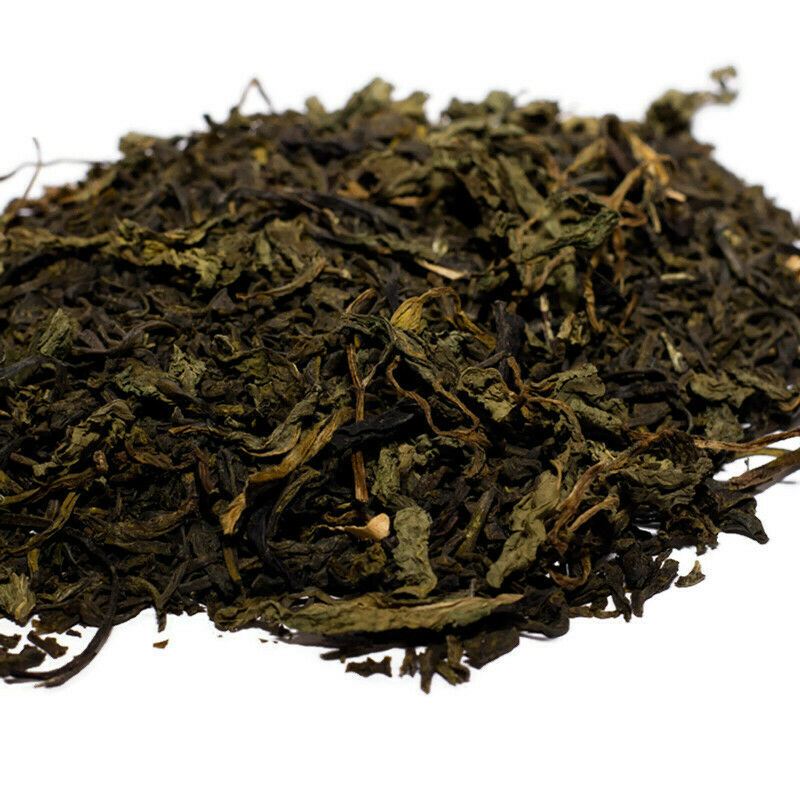
Green tea is packed with EGCG (epigallocatechin gallate), a compound that fights inflammation at a cellular level.
Regular green tea drinkers may benefit from:
- Lower risk of heart disease
- Improved brain function
- Reduced markers of chronic inflammation
It’s an easy daily habit with big benefits.
How to use it:
- Brew green tea 2–3 times a day.
- Try matcha for a more concentrated dose.
- Avoid adding sugar to keep it healthy.
- Garlic: Flavorful Health Booster
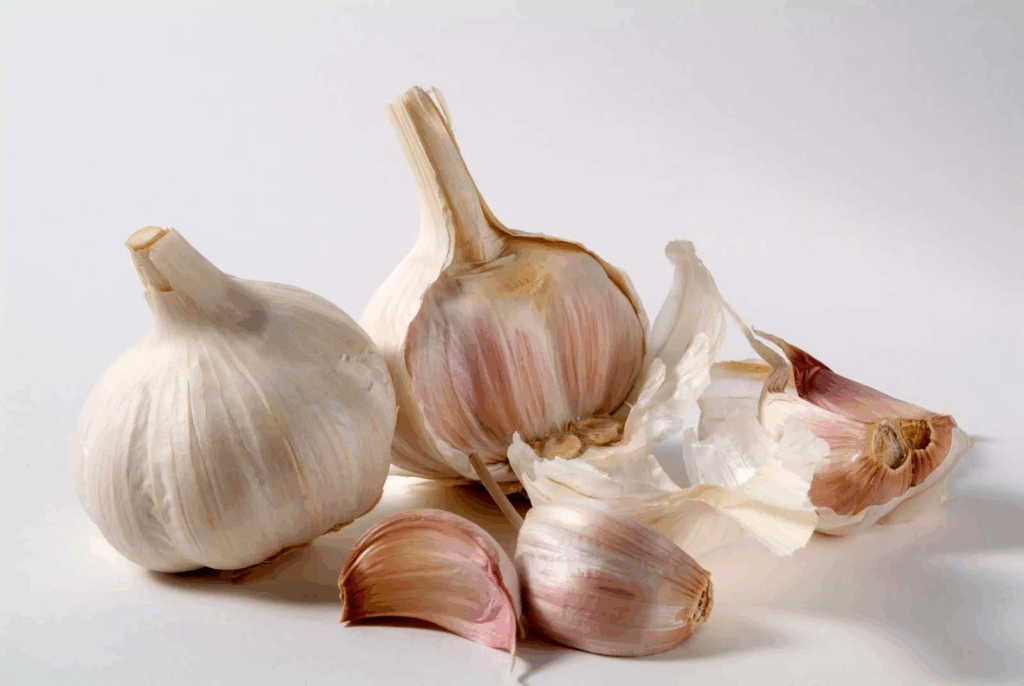
Garlic’s anti-inflammatory power comes from allicin and other sulfur-rich compounds.
It supports the immune system and reduces blood pressure and inflammation.
Studies suggest it may also help with metabolic health and reduce CRP levels.
How to use it:
- Crush and eat raw garlic for max benefits (let it sit for 5–10 minutes after chopping).
- Add to stir-fries, pasta, or roasted veggies.
- Try aged garlic supplements for a milder effect.
- Cayenne Pepper: Capsaicin’s Healing Properties
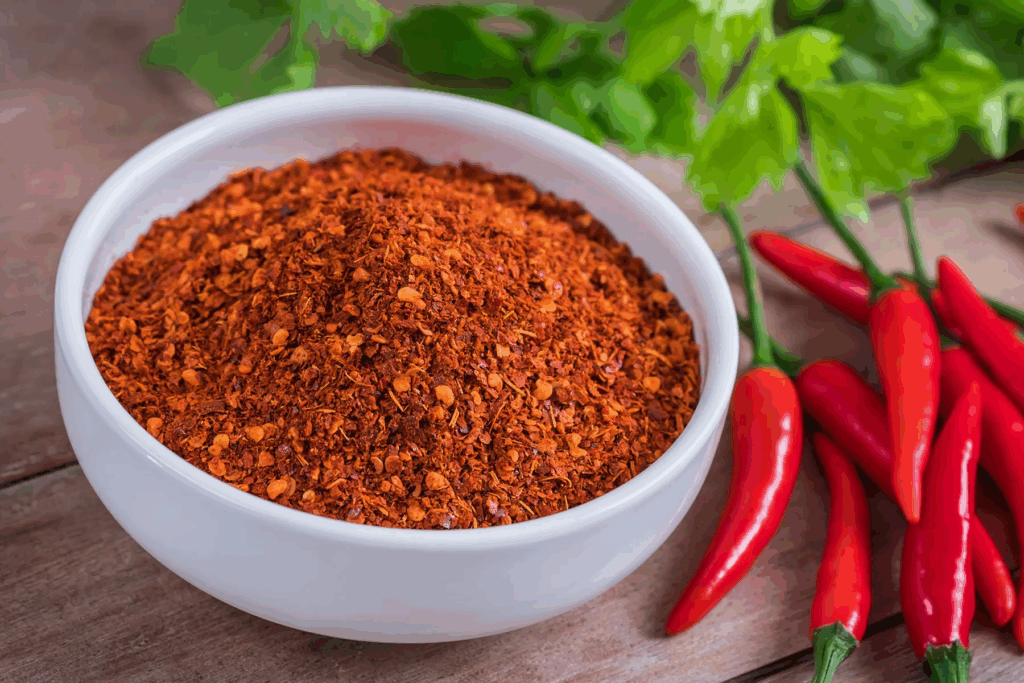
Capsaicin, found in cayenne peppers, blocks substance P, a compound that carries pain signals.
That makes it useful for:
- Joint pain
- Muscle soreness
- Nerve pain
Topical creams with capsaicin are often used for arthritis or back pain. Small amounts in food may offer long-term benefits too.
How to use it:
- Use cayenne powder in food. Start with small doses.
- Apply capsaicin cream to sore areas.
- Avoid touching eyes or skin after handling it raw.
- Bromelain: Pineapple’s Natural Enzyme Powerhouse

Bromelain is an enzyme found in pineapple stems. It helps break down proteins and has natural anti-inflammatory effects.
It’s commonly used to:
- Reduce swelling after surgery or injury
- Ease sinus inflammation
- Help with arthritis pain
Fresh pineapple doesn’t provide much; you’ll need supplements for therapeutic doses.
How to use it:
- Take bromelain supplements between meals for best absorption.
- Check dosage carefully too much may cause stomach upset.
Comparing Effectiveness of Each Herb
Not all herbs are equally strong or suited for the same issue.
Top-tier options:
- Turmeric – best all-rounder for chronic inflammation
- Boswellia – great for joint pain and arthritis
- Ginger – excellent for digestive and muscle issues
Moderate strength:
- Willow Bark – good for acute pain
- Green Tea – ideal for long-term use
- Garlic – good for metabolic and immune support
Niche or supportive:
- Cayenne – helpful in topical use
- Bromelain – effective post-surgery or for swelling
Combining herbs can improve results. For example, turmeric + ginger or Boswellia + bromelain are popular combos for arthritis.
How to Incorporate Herbs into Your Diet
Making herbs part of your routine doesn’t have to be complicated.
Here are some practical tips:
- Start your morning with green tea or turmeric latte.
- Add garlic, ginger, or cayenne to daily meals.
- Use turmeric and black pepper when cooking grains or stews.
- Supplement when fresh herbs aren’t convenient.
- Rotate different herbs weekly to avoid building tolerance.
Always read supplement labels for dosage and sourcing.
Potential Side Effects and Precautions
Natural doesn’t mean risk-free. Most herbs are safe in small amounts but can interact with medications or cause side effects.
Watch out for:
- Digestive issues from garlic or cayenne
- Increased bleeding risk willow bark, turmeric, ginger
- Allergic reactions especially to aspirin-related compounds
- Overuse – even natural compounds can cause harm in high doses
Consulting Healthcare Professionals Before Use

Before starting any herbal remedy:
- Talk to your doctor or pharmacist.
- Mention all meds and supplements you’re taking.
- Be cautious if you’re pregnant, nursing, or managing chronic illness.
This step helps avoid unwanted interactions or complications.
Final Thoughts
When it comes to natural anti-inflammatories, turmeric often tops the list.
But it’s not the only option. Herbs like ginger, Boswellia, garlic, and even green tea offer powerful, targeted relief.
The strongest herb for you depends on your symptoms, lifestyle, and how your body responds.
Try one or two, track your progress, and adjust as needed.
Start with what’s easy to add to your diet, then talk to a healthcare provider for a tailored plan that fits your needs.